2026 Office Design Trends
As we begin to step into a new year, it’s common to reflect on how we evolved throughout the previous year. This includes the ever-changing workplace. After nearly six years of radical transformation, organizations are still rethinking how their office is evolving with workplace trends and employee needs. The office is no longer a place to only work in but has evolved into environments where employees strive for connection with their peers.
Employees are looking for a safe space that encourages concentration, creativity, and innovation as well as supporting the well-being of all their staff. Advancements in technology and sustainability have made this easier with the availability of new tools and materials.
While we will continue to see the evolution of the same office design trends we have highlighted in years past, new trends are emerging in the office design space. Here are some of the latest trends we expect to see in 2026.
The Continuing Advancement of AI and Smart Offices
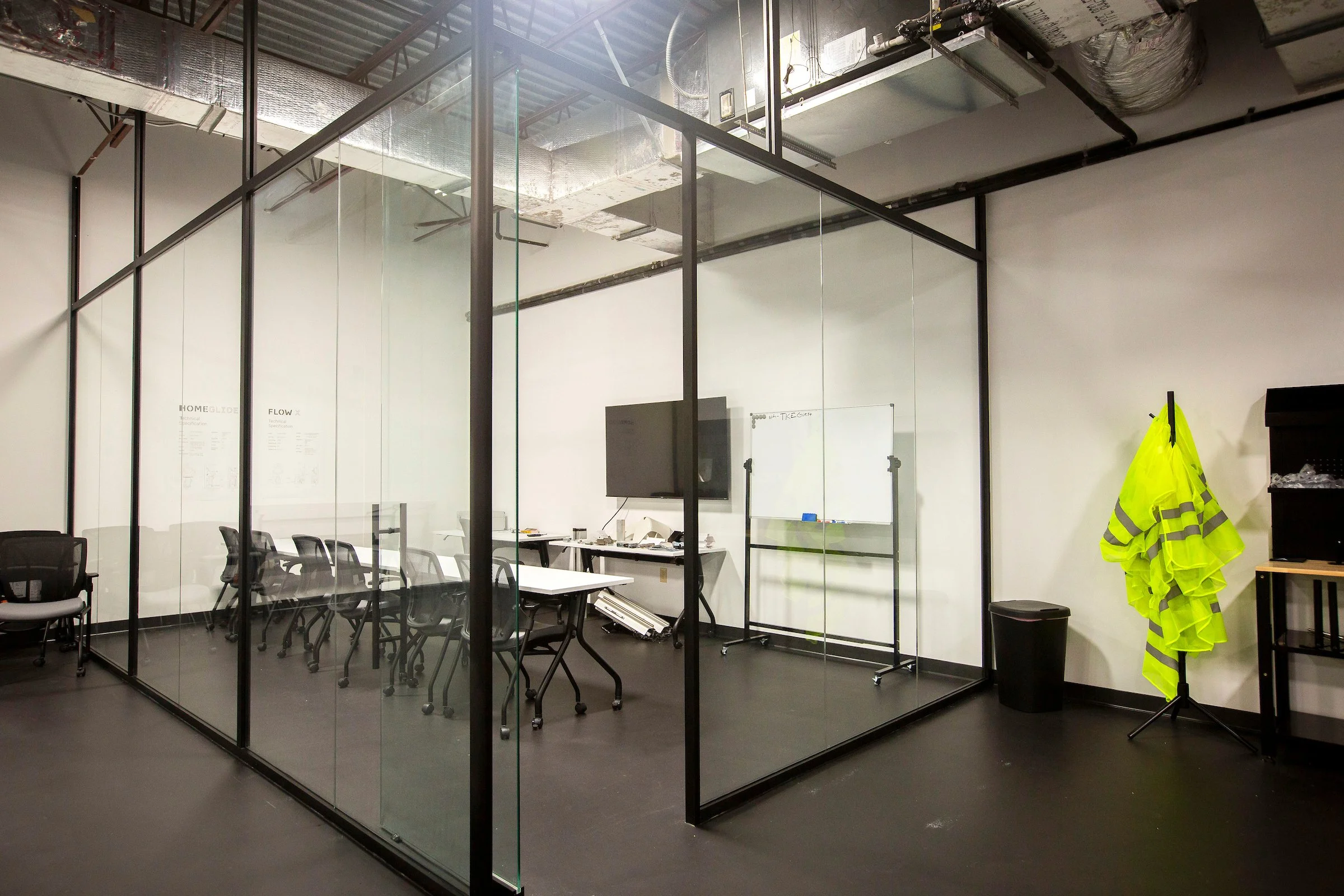
AI has gained both positive and negative sentiment over the past few years, but in 2025 we saw the explosion of chatter in AI usage. Not all AI is inherently bad and can be incorporated seamlessly into the workplace, without taking the place of human driven tasks. While using AI in the workplace may sound like something from the future, many companies are adding AI-powered software to their offices that connect to a variety of systems such as smart lighting, heating and air conditioning systems, and furniture pieces. An interior designer can create a layout that best integrates these tools including the right power outlets and configuring office and meeting rooms that promote collaboration.
Some ways to integrate AI into your office space include:
Workplace dashboards: Various software programs can help your team evaluate your energy usage, waste, and even how rooms within your office are used. The data from these programs can allow you to adjust your office schedule and implement energy conservation programs.
Adaptation: Think about everything you use on a daily basis. The light over your head, adjusting the temperature in your office, or turning down the brightness on your computer. Imagine instead of adjusting these systems manually that it automatically changes to your preferred levels. Smart AI systems and technology can be incorporated into your workplace to make life a little easier for you and your employees.
Space management: Many workplaces have adopted a hybrid work schedule approach over the past five or six years. In this model, employees may only work in the physical office two or three times per week and work from home on the other days. This constant shuffling around of employees can lead to overcrowding or double bookings of meeting rooms. Various AI tools can help you anticipate when meeting rooms are used and the best way to reserve desks for in-office days.
Remember, AI should be used as a tool, but not a complete replacement in the workplace.
Sensory-Friendly Workplaces
The well-being of your employees continues to be a top priority and in 2026 this will evolve to focus not only on general wellness but also neuro-inclusiveness. There are simple changes or additions that can be added to the workplace that support employee needs and wellness of all kinds. Some trending elements include:
Quiet and low-stimulation areas: Adding areas with minimal distractions, including soft lighting, acoustic panels, and other calming elements gives employees a quiet place to relax or focus on their work.
Clear signage: Office layouts can sometimes be confusing. By adding signs and constructing a straight-forward office layout, you can make it easier for employees (and visitors) to navigate around the office with no surprises.
Furniture and décor pieces that allow for movement: Let’s face it, most of us can’t stand still for eight hours. Integrating pieces such as rocking stools, standing desks, and even walking pads allow employees to move throughout the day and can promote concentration and comfort.
When creating a new office space or upgrading your current one, ask your employees what they need. Your workplace needs to meet the demands and needs of a diverse workforce.
Flexible and Modular Office Layouts
Flexible office spaces have been an office design trend for a few years and will continue to be a major design consideration in 2026. With the adoption of hybrid working schedules, many companies are looking to upgrade their offices to support the growing needs of their teams. Modular office layouts give more flexibility to the workplace, allowing spaces to transform based on needs.
For example, your marketing team may work in the office on Mondays, Tuesdays, and Wednesdays whereas your sales team is in on Thursdays and Fridays. Your marketing team may prefer a more open floor plan whereas your sales team prefers more of a cubicle-style layout. Features such as movable partitions and silent meeting pods are great for those teams that need more privacy when they work. Furniture pieces like desks with locking wheels and lightweight cube chairs allow team members to change their working set-up to collaborate with each other.
These pieces are not only convenient but also save you money and space in your office.
Protecting The Environment, Even in the Office
Sustainability is more than a buzzword and has evolved from simply recycling in the office. With more of a focus on taking active steps to protect our environment, companies focus on reducing their environmental impact. Some major ways this is being implemented include:
Biophilic design choices: Incorporating the outdoors inside including adding plants and greenery to the office space have helped companies improve the indoor air quality of their spaces, while reducing the negative impact on the environment.
Recycled furniture materials: We are continuing to see recycled materials in furniture pieces and in other elements around the office. More companies are incorporating recycled materials such as reclaimed wood and steel into their furnishings, making it a great solution to overconsumption.
Energy savings and low-carbon emissions: In an effort to save the environment (and save money), installing smart systems such as HVAC or self-timer lights and faucets can reduce the amount of energy usage and carbon emissions.
Sustainability will be an important pillar for companies to focus on in 2026 and integrating environmentally friendly solutions in the office shows employees and visitors that they care about the environment.
Organic Design and Imperfection
A huge emerging trend in 2026 will be the shift from clean designs with straight lines to a more organic and fluid office setup. This change will embrace a calmer and more relaxing office including natural materials with less angular shapes. These organic shapes bring a more welcoming office aesthetic, feeling less corporate and more peaceful.
Some ways to incorporate this design trend include adding curved seating and desks with rounded edges, using irregular shaped conference tables (like ovals versus straight rectangles), and incorporating biophilic details such as natural materials with soft, matte textures. These elements can help reduce stress among your employees and make your office a space that your employees want to be in.
Office design trends in 2026 will shift from being solely design focused to more of a focus on employee well-being. The best offices will incorporate elements of technology, sustainability, and inclusivity.
If you are ready for an office makeover, the team at Interior Fusion is ready to help! Contact us today to start designing a workplace that will make you and your employees happier and healthier.