Creating Flexible Workspaces for the Hybrid Workforce
The workplace of today is vastly different than even the workplace of six or seven years ago. Hybrid work has become the norm rather than the exception and organizations with traditional office spaces are reimagining how their current spaces function and support the ever changing needs of their teams. Gone are the days of individual desks and cubicles and instead, these spaces are changing into flexible environments that allow collaboration, creativity, and functionality.
Creating a flexible workspace for your hybrid work teams requires a shift in your office environment. In this guide, we will tell you how you can balance flexibility and adaptability with thoughtful intention to best support your team.
Why Is Hybrid Work Popular?
In 2020, many offices were forced to transition to a remote work environment due to the COVID-19 pandemic. Over the years to follow, many companies transitioned to a complete return to office, with varying results. However, the most popular solution was a hybrid work approach. This approach has reshaped expectations about where and how work is done. Employees split their time between working from home remotely and in-person days at the office allowing them to have a better life/ work balance and to maximize their creativity and productivity.
Flexibility Is Crucial In Hybrid Office Design
A hybrid work schedule means occupancy in your office will vary from day to day. Having a flexible workspace that can change based on the needs of the specific individuals or teams in the office on any given day is crucial.
A flexible workspace can help your company best utilize your real estate, support multiple team styles and tasks, reduce waste, and improve the happiness and satisfaction of your employees. Supporting a hybrid workforce that can adapt to the growing needs of your company ensures that your office will remain functional no matter the demands of your business.
Design For Multiple Teams and Workstyles
Each team and individual has different office needs. Some need spaces such as meeting rooms for collaboration and open discussion whereas others may require quiet pods or areas for concentration and solo work. Having options for your employees allows them to choose the right spaces required for their tasks while in the office.
Some common flexible office must haves include:
Collaboration areas for team meetings and group brainstorming
Private meeting rooms for important meetings
Quiet zones or work pods for focused individual work
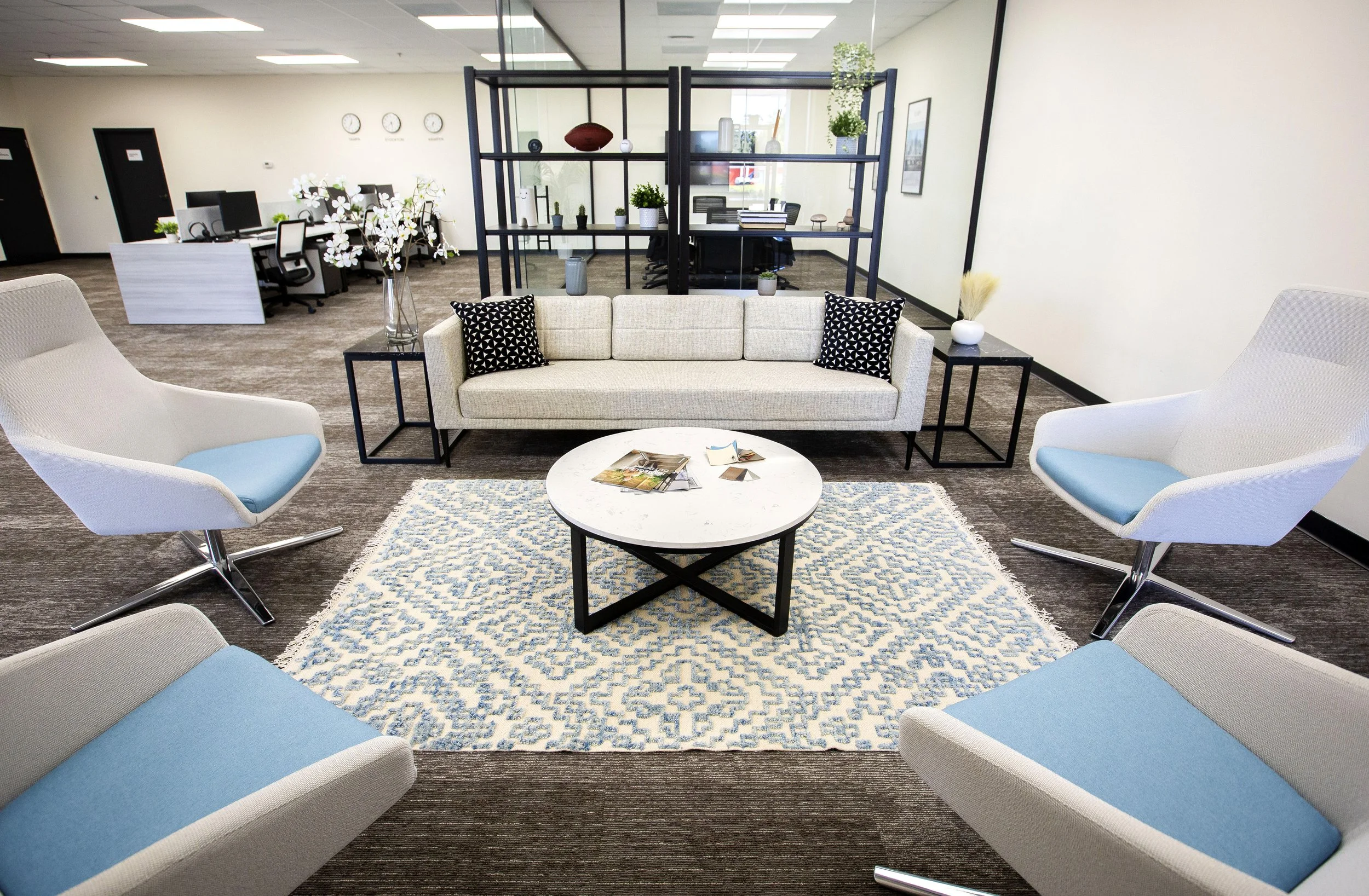
Lounge seating for casual work or relaxation.
By providing multiple options, your work environment is more supportive of how your individual employees work best.
Incorporate Flexible Layouts and Modular Furniture
The easiest way to achieve a flexible hybrid workspace is through adaptable layouts and furniture. Adding pieces such as movable furniture and partitions allows your employees to adjust the room for their specific needs. Having a large open area that can be rearranged to accommodate meetings or large training sessions one day and then changing to individual tables the next allows you to maximize the amount of available space in your office while keeping renovation costs low.
Encourage Collaboration But Also Focus
Flexible office spaces present a unique challenge that traditional workspaces did not struggle with as much. Hybrid spaces must support collaboration with focused work. However, large rooms can carry sound to other areas of the office, making quiet zones essential.
This challenge can be tackled in a few different ways. First, look to separate high-traffic and louder areas away from quieter zones and clearly designate these areas so proper expectations are set. Also, add acoustic panels in open areas to absorb sound to reduce distractions and create a more comfortable working environment for your employees who require a quieter work zone.
Add Smart Technology
Technology continues to influence and plays a crucial role in the hybrid work place. Hybrid office designs must support this mixed working environment and allow employees to collaborate with each other whether they are physically in the office or not. Ensure that you add video conferencing software and tools including microphones and cameras that allow remote employees to engage and collaborate. Additionally, add charging stations, USB-C ports, and enough plugs to allow employees to charge their electronic devices around the office.
Incorporate Comfort and Relaxation
Keeping your employees happy and satisfied is important to longevity. Support comfort and relaxation among your teams with ergonomic furniture, natural lighting, biophilic designs, and designated breakout areas. These design elements help your employees to work at their best and recharge and connect formally and informally between different teams. Showing that you care for your employees improves overall satisfaction and happiness. These design choices create an office environment that your employees actively want to use versus one they feel forced to work in.
Flexible workspaces for an ever changing hybrid workforce require a thoughtful and intentional approach to the interior design. Your employees need an adaptable and flexible, but comfortable space to create and feel inspired in. When your employees are happy in their workspace, they will produce better ideas and work harder to achieve your company goals.
Interior Fusion stays on the pulse of the latest hybrid office design trends and is experienced in turning your current space into the perfect flexible workplace. Reach out to one of our designers today to get started!