
Managing Sound in the Workplace: Design Strategies for a Quieter Office
Open offices have real benefits. They encourage teamwork. They make spaces feel bright and connected. But they come with one common problem: noise.
Phone calls, keyboard clicks, and hallway chatter add up fast. Over time, that noise makes it harder to focus. It can also leave employees feeling drained by the end of the day.
The good news? A quieter office doesn't require walls everywhere. The right furniture and layout choices can make a big difference. Here's how to get started.
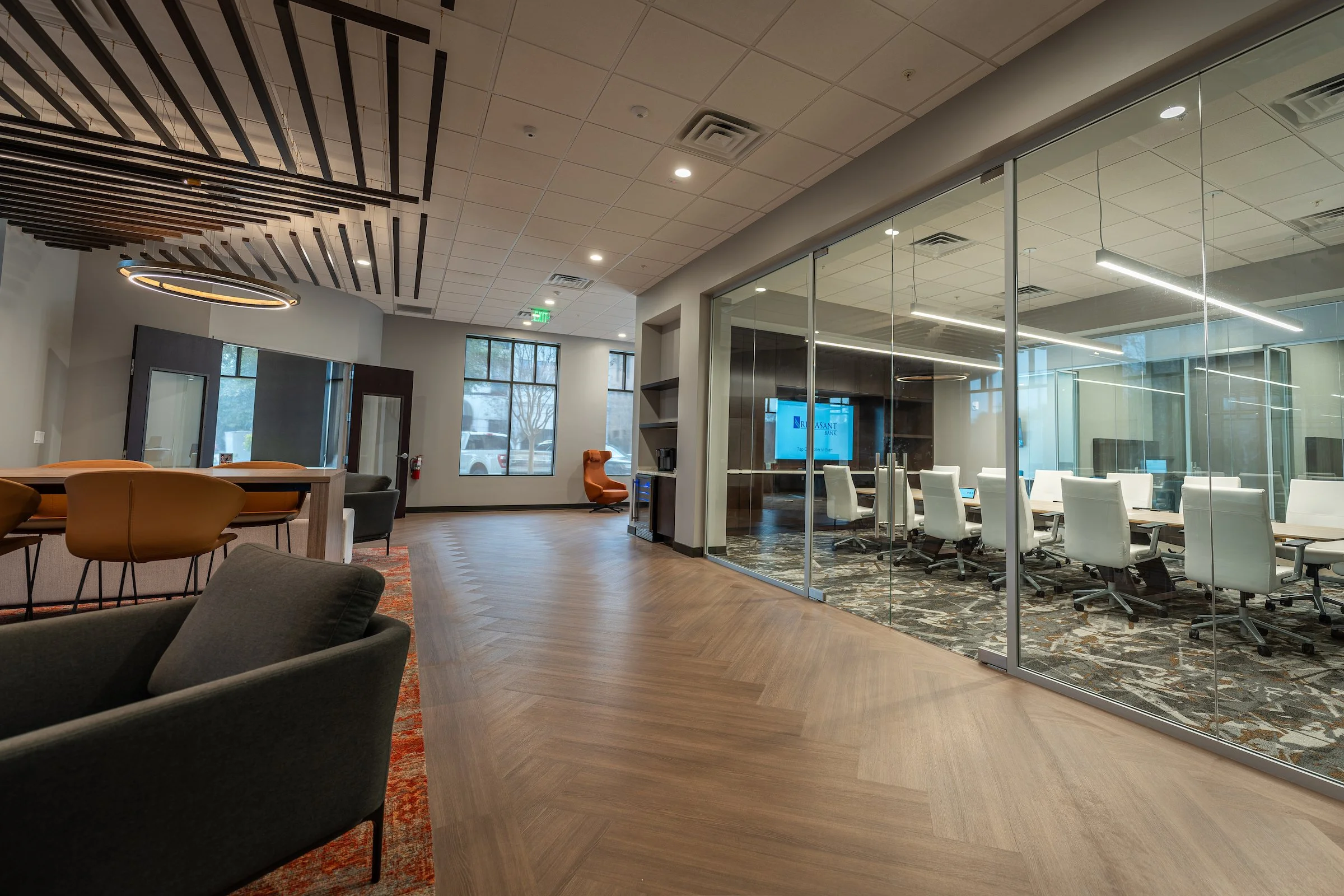
Why Office Sound Matters
Sound affects how people work. Constant background noise pulls attention away from tasks. Conversations are easy to overhear. Private calls feel less private.
A well-planned space helps in a few key ways:
Better focus with fewer distractions
More privacy for calls and meetings
Less fatigue throughout the workday
A stronger first impression for visiting clients
Choose Furniture That Absorbs Sound
Hard surfaces bounce sound around a room. Soft surfaces absorb it. That simple rule can guide many of your furniture decisions.
Upholstered chairs and lounge seating soak up more sound than metal or plastic. Fabric-wrapped desk screens reduce noise between workstations without closing people off. In larger rooms, acoustic wall panels cut echo while adding color and texture.
Flooring matters too. If your office has hard floors, area rugs can quiet footsteps and soften the whole space. Even small swaps can change how a room sounds.
Create Zones for Different Types of Work
Not every task needs the same environment. Some work requires quiet. Other work thrives on conversation. Zoning your office gives both a home.
Place focus areas away from walkways, break rooms, and entrances. Group collaboration spaces together so conversation stays in one area. Private rooms or pods give employees a place for calls and one-on-ones.
Storage units, shelving, and planters can also act as buffers between loud and quiet zones. When people have options, they naturally move to the space that fits the task.
Rethink Your Layout
Layout plays a major role in how sound travels. Long, straight rows of desks let noise carry easily. Angling or offsetting workstations helps break that path. It also keeps employees from talking directly into each other's space.
Pay attention to high-traffic areas. Printers, kitchens, and entryways should sit away from focus zones. Tall bookcases and storage pieces can serve double duty. They add function while blocking sound.
Don't Forget the Home Office
Remote and hybrid workers face noise challenges too. Household sounds can make it tough to stay focused on calls.
A dedicated desk in a low-traffic room helps. So do upholstered chairs, curtains, rugs, and a bookcase along a shared wall. The same principles apply at any scale.
Build a Quieter Workspace with Interior Fusion
A quieter office starts with the right pieces in the right places. At Interior Fusion, we help businesses and home office owners find furniture that looks great and works hard.
Whether you're rethinking a full office or upgrading a single workspace, our team is here to help. Stop by our showroom or contact us today to explore solutions built for focus and comfort.